Understanding Magnet Wire Coating
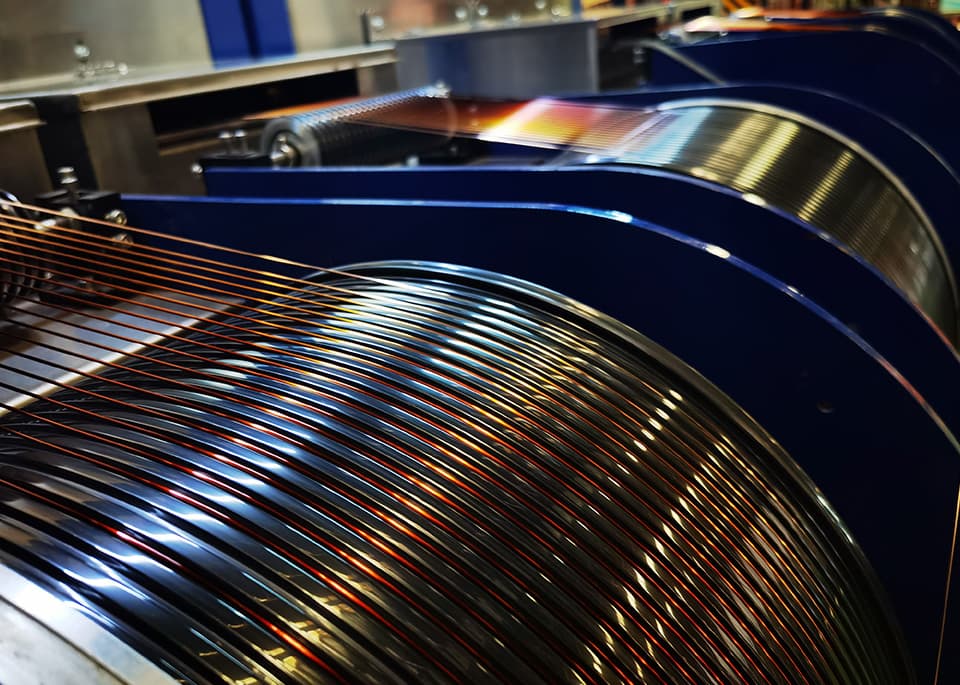
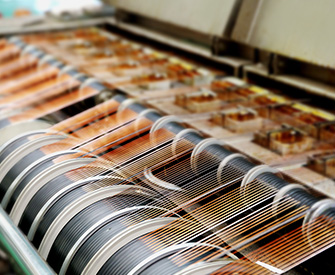
Enameled wire, also known as magnet wire, is a copper, aluminum as a conductor, coated with a layer of insulating varnish on the surface of the special wire material, designed for winding electromagnetic coils designed to generate a stable magnetic field when energized, widely used in electric motors, transformers, inductors, compressor windings, automotive electronic coils and other scenarios, both conductive ability and insulating protection, is the “core blood vessels” of the electromagnetic equipment It is the “core blood vessel” of electromagnetic equipment.
The Role of Enamel Coating
Enamel coating on the surface of enameled wire is an electrical insulation barrier, coil winding to avoid direct contact with the conductor, from the root to prevent short-circuit, equipment loss; at the same time against moisture, oxidation, mechanical wear and prolong the service life of the wire and equipment, enameled wire to achieve the stability of the work of the key protective layer.
Why Stripping Enamel Coating is Essential
Realize reliable electrical connection
Enameled wire insulation varnish film is not conductive, welding, wiring and other processes must be completely removed before in order to allow solder, terminals and conductors to fully contact, the formation of stable low resistance connection.
Varnish residue will lead to false soldering, poor contact, resulting in equipment failure, high-power equipment may also be burned due to localized heating equipment, so paint removal is the core of the electrical assembly of the preceding steps.
Enhance conductivity
Residual paint film will increase the contact impedance, especially affecting high-frequency, high-current scenarios, resulting in power loss and signal distortion, reducing equipment efficiency and accuracy.
Thorough paint removal can significantly reduce the contact resistance and improve the conductive efficiency, for high-frequency, precision equipment, the quality of paint removal directly determines the product performance and yield.
Meet the processing, maintenance and customization needs
Paint stripping is a necessary pre-process for electrical production, equipment maintenance, DIY modification and wire recycling, which can meet the different needs of tinning, rewinding, metal separation and so on.
Avoid conductor damage
Improper paint removal or retention of paint film will damage the conductor, such as forced soldering to form easy to fall off the false solder joints, scratches on the core of the wire resulting in heat breakage, there are potential safety hazards.
Standardized paint removal not only protects the conductivity, but also protects the conductor structure, avoiding connection failure and ensuring the long-term stable operation of the electrical system.
Methods for Removing Enamel from Magnet Wire
In actual production and application, enameled wire paint removal has formed a systematic process, from basic manual operation to high-end precision processing, is divided into six mainstream methods, respectively adapted to different scale of operation, wire specifications and precision requirements, covering the whole scenario of handmade DIY, small and medium batch processing, industrial large-scale production, high-end precision manufacturing.
Manual Scraping
Manual Scraping is to rely on a utility knife, sandpaper, files and other simple tools, light force uniform scraping and rotating wire physical removal of the insulation layer, easy to get tools and zero cost, precise and flexible control, to avoid damage to the conductor to the greatest extent possible, is very suitable for small batch DIY, fine and soft enameled wires, precision welding and small-scale electronic repairs and other high precision requirements but the number of small scenarios.
Chemical Stripping
Chemical solvent paint stripping method through commercial paint stripper or organic solvent to soak or brush the way to dissolve the softening of the paint film, without the need for strong scraping can be easily removed, paint stripping high efficiency and effort, can be adapted to a variety of types of paint film, especially thick paint film and stubborn paint layer, the advantages of the large and medium-large quantities of industrial processing scenarios, but the operation must be carried out in a ventilated environment, and wear gloves, goggles and other protective equipment, waste liquid and pollutants need to be disposed of in accordance with environmental regulations. Pollutants also need to be disposed of in accordance with environmental regulations, to avoid irritation of the human body and pollution of the environment, at the same time, the method has a slight odor, is not very suitable for very fine micro-wire processing.
Thermal Stripping
Thermal stripping method using soldering iron, hot air gun and other adjustable temperature equipment to soften the paint film, no chemical residue and fast operation, equipment, common low cost, less damage to the conductor, taking into account the small and medium batch electronic processing, DIY production and temporary quick paint removal needs, but the temperature is difficult to control, if the heating is too much or too long is likely to cause oxidation of the copper core, brittle or even damaged, so you need to test the temperature in a small section of the wire, is not suitable for ultra-fine conductors. Therefore, it is necessary to test the temperature on a small section of wire first, which is not suitable for removing paint from ultra-fine wires.
Grinding and Abrasive Stripping
Grinding and abrasive stripping method with the help of abrasive cloth, sandpaper, abrasive wheels and other abrasives to remove the paint film by friction abrasion, on the coarse wire diameter, thick paint film and aging hard paint layer removal effect is complete, the equipment is simple and suitable for industrial large-scale processing and wire recycling scenarios, but the process of the operation will produce dust need to do a good job of dust control measures, and friction is not appropriate to control the strength of very easy to wear the conductor, reduce the cross-sectional area of the wire, is not suitable for fine diameter and precision enameled wire, after stripping the paint. It is not suitable for fine diameter and precision enameled wires, and the dust on the surface needs to be cleaned up in time to avoid affecting the subsequent conductive connection after paint removal.
Ultrasonic Stripping
Ultrasonic stripping method will be placed in the liquid enameled wire using high-frequency vibration broken stripping paint film, belong to the whole process of non-contact, no thermal damage, no chemical corrosion of the non-destructive precision process, paint removal uniformity is extremely high and will not hurt the conductor, a high degree of automation, synchronization of the processing of a number of fine wires, is very suitable for medical electronics, precision instruments, miniature sensors, etc. on the integrity of the conductor of the stringent requirements of the high-end scenarios, but the method of The equipment required to purchase and maintenance costs are high, and is not suitable for coarse wires and large quantities of cheap wire paint removal processing.
Laser Stripping
Laser stripping method uses a focused laser beam to instantly vaporize the insulating paint film, the energy is precisely controllable and only acts on the coating without damaging the conductor, which can achieve micron-level spot local paint removal, paint removal process without consumables, no dust, no waste liquid, environmentally friendly, efficient and highly stable, to meet the aerospace, automotive electronics, high-end medical, military devices and other precision requirements of the field of ultimate use, especially with ultra-thin paint film and high-density lines. Enameled wire, but the cost of equipment is extremely expensive, must be operated by professionals operation and maintenance, only applicable to high-end manufacturing scenarios and can not be popularized to ordinary processing and manual scenes.
Avoiding common mistakes during the process
Enameled wire de-painting seems to be a simple operation, but the details of the control is not in place, it is very easy to lead to wire damage, de-painting is not clean, subsequent welding problems. Avoiding common mistakes in advance can not only improve operational efficiency, but also ensure product quality and reduce the scrap rate.
Strictly prohibit excessive heating
In the process of thermal depainting if the wire is heated too much, it will directly cause oxidation of the wire core, grain size, mechanical strength or even melting brittle scrap, therefore, in the use of hot air guns, soldering irons and other heating tools should try to use adjustable temperature equipment, the whole process of close monitoring of the heating process, the paint film is softened to stop heating immediately, to avoid prolonged and continuous heating of the same location, the use of intermittent heating, and in the batch processing Before the batch processing on a small section of the wire for testing to ensure that the temperature will not damage the wire.
Neglect cleaning before stripping paint
If you skip the step of wire cleaning before paint stripping, the dust, oil, debris and other impurities attached to the surface of the wire will block the paint stripper contact with the paint film or cause uneven heat transfer, which will result in varying depths of paint stripping, local paint residue, so whether chemical, heating or mechanical paint stripping, should be used in advance with a clean cotton cloth or anhydrous ethanol to wipe the surface of the wire, to remove the oil and dirt and to keep the work area neat and clean, so as to ensure even and thorough paint removal. Therefore, whether chemical or mechanical paint stripping is used, the surface of the wire should be wiped with a clean cotton cloth or water ethanol in advance to remove oil and dust and keep the working area tidy.
Excessive force
In the manual scraping and grinding paint if the pursuit of speed and too much force, it is very easy to leave scratches and pits in the surface of the copper core, so that the cross-section of the wire becomes smaller, higher resistance and in the work of heat or even fracture, so the operation should be adhering to the principle of light force many times, slowly and evenly scraping and polishing, fine wire with fine tools, avoid the use of coarse emery cloth or sharp knives forcibly scraping, while rotating the wire to make the force More uniform, to maximize the protection of the integrity of the core.
Incomplete paint stripping
Paint removal if there is a hidden location of the paint film residue, although the naked eye is not easy to detect, but will directly lead to welding soldering, poor contact and other issues, therefore, after the completion of paint removal need to be in a well-lit environment to check the 360 ° surface of the wire, you can also use a multimeter to test the conductive condition of the low-resistance gear, the use of chemical de-painting according to the thickness of the paint film can be extended to ensure that the paint film is completely dissolved off, without leaving any dead ends.
Simplify the process
Paint stripping if you are in a hurry and arbitrarily simplify the key steps such as cleaning, testing, full wipe, although it seems to save time, but will significantly increase the probability of rework, but the overall efficiency is even lower, so the operation should be reasonably planned before the process, the batch of wires in a batch to deal with the blind pursuit of speed to ensure that the patient and meticulous operation of the one-time molding, to avoid repeated rework.
Neglect of safety protection, leading to safety risks
Chemical paint stripping, thermal paint stripping, laser paint stripping and other operations have certain safety hazards, if you do not wear protective equipment, inadequate ventilation of the operating environment or disposal of waste liquid waste, may cause skin burns, respiratory irritation, environmental pollution and other accidents, so the chemical operation must be wearing chemical-resistant gloves, goggles and masks, heating operations away from flammable materials, laser and ultrasonic equipment operated by a dedicated standardized waste disposal in accordance with environmental regulations, the whole process of guarding the Dispose of the waste in accordance with the environmental protection regulations, and guard the safety bottom line.
How to Select the Best Stripping Method Based on Your Needs
There is no absolute “best” method for enameled wire stripping, only the most suitable program. When choosing, you need to consider the project scale, wire type, precision requirements, cost budget, operating environment five factors, to avoid low efficiency or wire damage due to mismatch of methods.
Selection according to project scale
Small batch / DIY / laboratory: Prioritize manual scraping method, thermal paint removal method, simple tools, low cost, flexible and convenient;
Small and medium batch production processing: choose high efficient paint stripper chemical method, balancing efficiency and cost, convenient operation;
Industrial mass production / wire recycling: use of abrasive paint stripping method, automated thermal paint stripping line, fast processing speed, low labor costs;
High-end precision mass production: ultrasonic paint stripping, laser paint stripping, to ensure quality consistency and high yield.
Selection according to wire type and varnish thickness
Fine diameter enameled wire, precision coils: prohibit grinding, strong acid method, recommended manual scraping, ultrasonic, laser;
Coarse diameter wire, thick enamel, high temperature resistant wire: chemical paint stripper, concentrated sulfuric acid method, grinding method is more efficient;
Copper core conductors: all methods are applicable, prioritize low-damage processes;
Aluminum core wire: avoid strong acid, high temperature overheating, recommend mild paint stripper, gentle scraping.
Selection according to precision and quality requirements
Ordinary motors, transformers, home appliance windings: thermal paint stripping, chemical paint stripping, grinding method can meet the requirements;
Precision electronics, medical devices, sensors: must use non-destructive processes, such as ultrasonic, laser paint removal;
Aerospace, military products: only top precision processes such as laser paint removal are used to ensure zero defects.
Selection according to cost and environmental conditions
Limited budget, handmade small workshops: hand scraping paint, simple heat paint removal;
Small and medium-sized processing plant: special paint stripper, semi-automatic grinding equipment;
High-end manufacturing enterprises, clean workshop: ultrasonic, laser automation equipment;
Prohibit chemical pollution, poor ventilation environment: prioritize thermal paint stripping, laser paint stripping.
Comprehensive selection summary
Simply summarize the logic of choice: choose precision for fine lines, choose high efficiency for coarse lines; choose manual for small quantity, choose chemical/mechanical for large quantity; choose ultrasonic/laser for high end, choose heat/scrape paint for common. As long as you match your own needs, you will be able to ensure the quality of paint stripping at the same time, to achieve the optimal balance of efficiency and cost.
Tips for Effective Enamel Removal Enameled Wire
In order to realize fast, clean and non-destructive enamel removal, in addition to choosing the right method, it is also necessary to master the following practical skills to improve the quality and stability of the operation.
Choose a well-lit working environment
Bright lighting conditions can clearly observe the paint film removal status, timely detection of residues, scratches, overheating and other issues, especially for fine-diameter enameled wire is critical to significantly reduce the rate of operational errors.
Precise matching of tools and wires
Fine wire with fine sandpaper, small precision tools; thick wire with grinding wheel, high-power hot air gun; thick enamel film with strong paint remover; thin enamel film with mild process. Eliminate “too big to use” or “too small to use”, reduce the risk of conductor damage.
Test first, then batch operation
Before any method of formal batch processing, should intercept a small section of the same specification conductor for testing, to confirm that the effect of paint removal, time, strength, temperature is appropriate, and will not damage the conductor, and then large-scale operations, to avoid batch scrapping.
Thorough cleaning after paint stripping
After paint removal, use anhydrous ethanol, water or high-pressure air gun to clean the surface of the wire residual paint, chemical solvents, dust, oil, to keep the conductor surface clean, improve solder wettability and connection reliability.
Control strength and speed
Whether scraping, grinding or heating, keep gentle and even, avoid violent operation. Rotate the wire, multi-point processing, to ensure consistent paint removal around the circumference, to improve the quality of subsequent welding.
Standardized operation
When batch production, record the paint remover soaking time, heating temperature, grinding parameters and other data to form a standardized process to ensure stable product quality in different batches and reduce human error.
Conclusion
Enameled wire insulation layer removal is a basic and critical process in electrical manufacturing, equipment maintenance and electronic assembly, and the quality of paint removal directly determines the reliability of electrical connection, equipment performance and service life. From manual scraping to laser precision paint removal, different processes cover the whole scenario from DIY hobbyists to high-end industrial manufacturing.
In practice, only by fully understanding the structure of enameled wires and the role of the paint film, clarifying the necessity of paint removal, avoiding common operational misunderstandings, choosing the appropriate method in conjunction with the scale of the project, wire specifications, precision requirements, and following the standardized process and practical skills, can we efficiently, safely and without damage to complete the paint removal operation, and laying a solid foundation for the subsequent welding, assembly and debugging.
Whether it is electronic enthusiasts making small devices by hand or factories producing motor coils on a large scale, mastering scientific enameled wire stripping methods can effectively improve work efficiency, reduce defective rate, guarantee product quality, and make the operation of electrical equipment more stable, safer, and more durable.