In the modern electrical and electronic industrial system, magnet wire is the core material to support the electromagnetic energy conversion, and its technical performance directly determines the efficiency, life and reliability of the motor, transformer, generator and other core equipment.
With the rapid development of electrification, new energy, electric vehicles and other industries, the market demand for magnet wire continues to rise, and its application scenarios continue to expand. For electrical engineers, procurement specialists, equipment manufacturers and other professionals, a systematic mastery of the basics of the magnet wire is a good product selection, procurement planning, technical design and quality control of the premise.
What is magnet wire
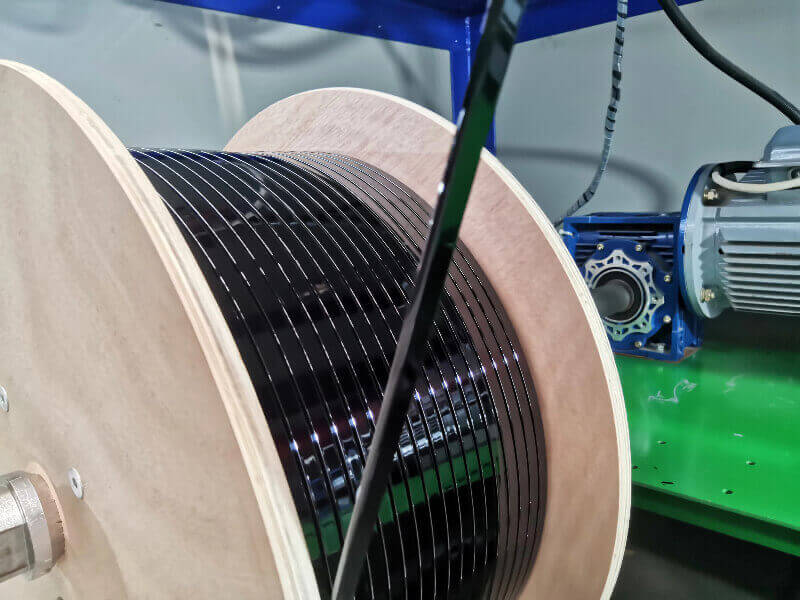
Magnet wire is essentially a special conductive wire coated with an ultra-thin insulating layer. The core purpose is to wind a dense, efficient electromagnetic coil, to realize the mutual conversion of electrical energy and magnetic energy, mechanical energy, is the core component of various types of electromagnetic equipment.
It should be noted that the magnet wire and ordinary bare copper wire, aluminum wire has a fundamental difference: ordinary wire without insulation, can not be tightly wound, prone to short-circuit; while the magnet wire of the ultra-thin insulation layer, not only to ensure the insulation, but also does not affect the coil of the dense winding, the perfect fit for the design of the electromagnetic equipment needs.
From the perspective of market scale, the global wire industry is growing steadily with the development of new energy, electric vehicles, industrial automation and other fields, and has become an indispensable basic material in the electrical industry chain, whose quality and performance directly determine the efficiency, life and safety of downstream equipment.
Structure of magnet wire
Magnet wire structure seems simple, but actually consists of two core parts – conductor and insulation layer, the two materials, technology directly determines the conductivity of the wire, insulation effect, heat-resistant grade and service life, but also to distinguish between different types of magnet wire key.
1 Conductor
Conductor is the core of the magnet wire transmission of electricity, the industry is mainly used in two materials: copper conductor and aluminum conductor, of which the copper conductor dominates the market.
Copper conductor is mostly made of fully annealed, electrolytic refined copper, this copper has high purity, excellent electrical conductivity, can effectively reduce the energy loss in the process of power transmission, is the first choice for most of the magnet wire conductor material, widely used in precision electronics, high-end motors and other high performance requirements of the scene.
Aluminum conductor is mainly used for large transformers, motors and other equipment, its advantage lies in the light weight, low cost, can effectively control the overall weight of the equipment and procurement costs. However, the conductivity of aluminum is not as good as copper, in order to achieve the same DC resistance as copper conductors, aluminum conductors need to reach the cross-sectional area of copper conductors 1.6 times.
2 Insulation
Insulation is the magnet wire “protective barrier”, the core role is to prevent short-circuiting of the wire winding, while resisting high temperatures, chemical corrosion and other adverse operating conditions. Many people mistakenly think that the insulation layer is “porcelain paint”, in fact, is not, today’s insulation layer is mainly made of tough polymer materials.
Commonly used insulation materials include polyurethane, polyester, epoxy resin, polyimide, etc. Different materials have different heat-resistant grades, different insulation properties, and are suitable for different application scenarios.
3 Wire diameter specifications
Magnet wire is available in a wide range of wire diameters to meet the diverse needs of precision electronics to heavy-duty industrial equipment. Ultra-fine wire diameters of less than 0.1 millimeters are comparable to a hairline, and are mainly used for small electronic components such as wristwatches, smartphone micro-motors, and precision sensors.
Coarse wire diameter up to several millimeters, mainly used in wind turbines, large industrial motors, high-voltage transformers and other heavy equipment, can withstand high-current, high-load working conditions, to protect the stable operation of equipment.
The core characteristics of the magnet wire
Magnet wire can be widely used in various types of electrical and electronic equipment, the core lies in its both conductive, insulating, flexible, durable and other multiple advantages, perfectly suited to the winding of electromagnetic coils and work requirements, can be divided into five core characteristics.
1 high conductivity
Conductivity is one of the core performance of the magnet wire, its conductor using copper or aluminum and other excellent conductive materials, of which the conductivity of copper conductor is second only to silver, can minimize the energy loss in the process of transmission of electricity.
In the motor, transformer and other equipment, high conductivity of the magnet wire can reduce the Joule heat generated to enhance the energy efficiency of the equipment. Compared with ordinary aluminum wire, the energy consumption of copper magnet wire can be reduced by 15%-20%, especially suitable for new energy vehicles, industrial energy storage and other areas with stringent requirements on energy consumption.
2 Reliable insulation
The core role of the ultra-thin insulation layer of the magnet wire is insulation, which can effectively prevent the conductor from contacting the short circuit when the wire is wound, avoiding equipment failure and even safety hazards.
High-quality magnet wire insulation layer is not only stable insulation performance, but also can withstand high temperatures, chemical corrosion, mechanical friction and other harsh conditions, even in the high-voltage, high-load working environment, but also to maintain the integrity of the insulation state, to protect the equipment for long-term safe and stable operation.
3 Good flexibility
Despite the surface of the insulating layer covered, the magnet wire still maintains good flexibility, can be easily wound into a tight coil, suitable for motors, transformers and other equipment on the coil density requirements.
This flexibility not only facilitates production and processing, but also avoids cracking and peeling of the insulation layer during the winding process, ensuring the insulation integrity of the coil, while improving the slot fullness of the coil, and helping the development of equipment to miniaturization and lightweight.
4 Strong durability
The conductor and insulation layer of the magnet wire are treated with special technology, which has strong durability and can withstand physical damage, high temperature, chemical reagents, oil and other harsh working conditions.
In industrial production, outdoor power equipment and other scenarios, magnet wire can maintain stable conductive and insulating properties for a long time, reduce equipment failure and maintenance costs, compared with ordinary wire, can make the equipment life 2-3 times longer.
5 Excellent heat resistance
Many electromagnetic devices in the operation process will generate a lot of heat, so the wire must have good heat resistance, different types of wire have corresponding temperature levels, can be adapted to different working temperature environment.
High-quality wire insulation will not be embrittled, cracked or peeled off under high temperature environment, and there will be no attenuation of conductivity, which can meet the needs of industrial motors, new energy generators and other high-temperature working conditions.
Classification of magnet wire
There are many types of magnet wires. According to the three core dimensions of conductor material, insulation type and temperature grade, they can be divided into different categories. Each category has its own unique performance characteristics and application scenarios, procurement and selection can be accurately matched to their own needs.
1 Classification according to conductor material
This is the most basic categorization, the two conductor materials have their own advantages and disadvantages, suitable for different scenarios, the specific differences are as follows:
Copper wire: the most commonly used type in the market, excellent conductivity, durability, can adapt to high load, high precision work scenes, widely used in small motors, precision electronic components, new energy equipment and other high performance requirements of the field, is the mainstream selection of the industry.
Aluminum magnet wire: light weight, low procurement cost, mainly used for large transformers, large industrial motors and other equipment, can effectively control the overall weight of the equipment and production costs. However, it should be noted that its cross-sectional area needs to be greater than the copper wire in order to achieve the same conductive effect.
2 according to the insulation type classification
Insulation material is the key to determine the heat resistance level and insulation performance of the wire, the industry’s most commonly used 3 types, covering most application scenarios:
Polyurethane insulated magnet wire: thin insulation thickness, excellent conductivity, suitable for limited space, high performance requirements of the scene, such as precision electronic components, small coils, smart phone motors, etc., can realize the miniaturization of the coil, high-density winding.
Polyester Insulated magnet wire: Better balance between performance and cost, with good insulation and heat resistance, it is a common model in the industry, widely used in ordinary motors, transformers, inductors and other equipment, with a high market penetration rate.
Epoxy resin insulated magnet wire: extremely durable, high heat-resistant grade, can withstand high temperatures, chemical corrosion and other harsh conditions, suitable for high-power, high-load industrial equipment, such as heavy-duty industrial motors, high-voltage transformers and so on.
3 Classification according to temperature level
Magnet wire temperature grade represents the maximum temperature at which it can work stably for a long period of time, different grades are suitable for different equipment conditions, the most common are 3 types:
130 level of magnet wire: the maximum working temperature of 130 ℃, suitable for low temperature conditions, such as low power small motors, etc., the cost is low, to meet the basic insulation and heat resistance needs.
155 grade magnet wire: the maximum working temperature up to 155 ℃, heat resistance is better than 130 grade, widely used in small motors, transformers, inductors and other common industrial equipment, is currently the most widely used temperature level.
180 grade magnet wire: the maximum working temperature can reach 180 ℃, excellent heat resistance, suitable for high-temperature working conditions, such as industrial high-performance motors, new energy generators, high-temperature environment of the electrical equipment.
Production Process of magnet wire
The production of high quality magnet wire is a precise and rigorous process, from raw material selection to final packaging and shipping, which is divided into 7 core steps, each step has strict quality control standards, which directly determines the performance and reliability of the magnet wire.
1 Raw material selection and drawing
The first step of production is the selection of raw materials. High purity electrolytic copper rods are used for copper wires and high quality aluminum rods are used for aluminum wires to ensure the conductivity of the conductors. Subsequently, the copper rod and aluminum rod are cold drawn through a multi-channel mold, gradually reducing the wire diameter until the required specifications are reached.
The drawing process needs to strictly control the speed and strength to ensure that the wire diameter is uniform, the surface is smooth, to avoid scratches, burrs and other defects, to lay the foundation for the subsequent coating of the insulation layer. magnet wire diameter from ultra-fine below 0.1 mm to several millimeters of coarse models, can be realized through the drawing process.
2 Cleaning and annealing
After drawing the wire surface will remain oxides, lubricants and other impurities, these impurities will affect the adhesion of the insulation layer, so it is necessary to carry out a thorough cleaning to remove the surface impurities, to ensure that the wire surface is clean and smooth.
After cleaning, the wire will enter the annealing process: the wire will be heated to a specific temperature, and then slowly cooled to relieve the internal stress generated during the drawing process, to enhance the flexibility of the wire, to facilitate the subsequent winding, while further optimizing the conductor’s electrical conductivity.
3 Insulation coating (lacquer)
Insulation coating is the core process of magnet wire production, also known as the lacquering process. The cleaned and annealed conductor is evenly coated with a layer of polymer insulating material (e.g., polyurethane, polyester, etc.) by dipping or spraying.
After the coating is completed, the wire is sent to the oven for high temperature curing, so that the insulation layer is tightly attached to the surface of the conductor, forming a smooth, uniform and tough insulation barrier. For the magnet wire used in high-voltage scenarios, it is necessary to repeat the coating several times to ensure that the thickness of the insulation layer is up to standard, to avoid insulation breakdown.
4 Surface inspection and quality control
After the insulation coating is completed, the magnet wire needs to be strictly tested, including electrical performance testing and mechanical performance testing. Electrical performance testing is mainly to check the insulation resistance, breakdown voltage, to ensure that the insulation layer can effectively prevent short circuit;
Mechanical performance testing is mainly to check the tensile strength and flexibility of the wire to ensure that there will be no fracture, insulation layer falling off and other problems in the winding process. At the same time, through the surface defect detection equipment, check the conductor surface scratches, pinholes, exposed copper and other defects, to prevent unqualified products into the subsequent process.
5 Finished product winding and packaging
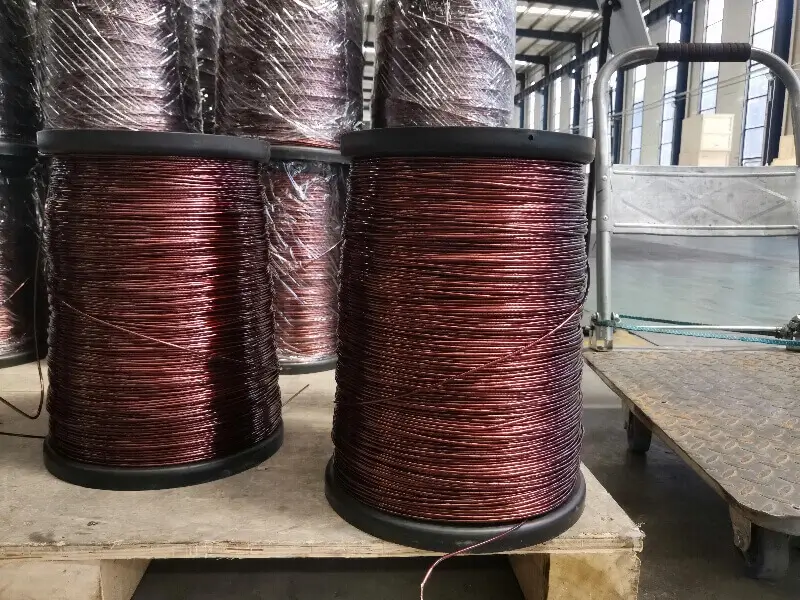
Qualified magnet wire will be wound on different specification bobbins through the winding equipment, and the tension should be controlled during the winding process to avoid the wire from being wound too tightly or too loosely, and to prevent damage during transportation.
After the winding is completed, the bobbins are packaged and labeled with the product model, specification, temperature level, implementation standards and other information, which is easy for customers to identify and use, and at the same time protects the wire from damage during transportation and storage.
6 Special coating and modification
For some special application scenarios, special treatment will be carried out on the magnet wire, such as coated with self-adhesive coating, so that the coil winding is completed without the need for additional dipping and drying, through the heating or solvent treatment to achieve self-adhesive molding, simplifying the production process;
In addition, round wires can be processed into square and rectangular shapes to meet the winding design requirements of special equipment, improve coil slot filling rate and optimize equipment performance.
7 Shipment and Application
After packaging, the wire will be transported to the downstream equipment manufacturers through logistics, used in the winding of motors, transformers, generators and other equipment, and ultimately put into industrial production, civil electronics, new energy and other fields, to realize the conversion of electric energy and magnetic energy.
Main International Standards for magnet wires
In order to ensure the quality and reliability of the magnet wire, a series of international standards have been formulated globally to regulate the performance index, production process, testing methods, etc. The magnet wire that complies with the standards can guarantee the safe and stable operation of downstream equipment, and it is also an important basis for purchasing and selection.
IEC 60317
IEC 60317 is the International Electrotechnical Commission (IEC) to develop the winding line of the general standard, but also the core standards of the global magnet wire industry, covering the type of insulation, temperature level, physical properties, electrical properties, testing methods and other aspects of magnet wire.
Whether it is copper magnet wire or aluminum magnet wire, whether it is ordinary insulation or special insulation, all need to comply with the relevant requirements of IEC 60317 in order to be circulated and used worldwide, and it is an important reference basis for the production and procurement of enterprises.
NEMA MW 1000
NEMA MW 1000 is a standard for magnet wires developed by the National Electrical Manufacturers Association (NEMA) of the United States, mainly for the North American market, which clearly specifies the requirements for insulation, electrical performance, dimensional deviation and other requirements for magnet wires.
If the product needs to be exported to the United States, Canada and other North American countries, it must comply with the NEMA MW 1000 standard in order to obtain market access qualification, to ensure that the product in the North American market compliance use.
UL Certification
UL certification is a safety certification issued by Underwriters Laboratories in the U.S., which conducts rigorous testing on the safety performance of magnet wires, including insulation, heat resistance, flame retardancy, etc. For household appliances, industrial equipment, etc., UL certification is the only safety certification issued by Underwriters Laboratories in the United States.
For household appliances, industrial equipment and other safety-related fields, the magnet wire must be certified by UL in order to ensure the safety of the use process, to avoid safety accidents caused by insulation failure, overheating and other problems.
Application Scenarios of magnet wire
Magnet wire application scene is extremely wide, through the industrial, civil, new energy, electronics and other fields, almost all the equipment involved in electromagnetic conversion, can not be separated from the support of the magnet wire, is the normal operation of modern society, “invisible cornerstone”.
1 Motor and generator field
Motors and generators are the core application scenarios of magnet wires, whether it is the industrial production of conveyors, robots, HVAC systems, or power industry power plant turbines, the internal electromagnetic coils are wound by magnet wires.
The conductivity and heat resistance of the wire directly determines the efficiency, power and service life of motors and generators. High-quality magnet wire can reduce energy loss, improve the power output of the equipment, while adapting to the high load, high temperature working environment, to ensure the long-term stable operation of the equipment.
2 Transformer field
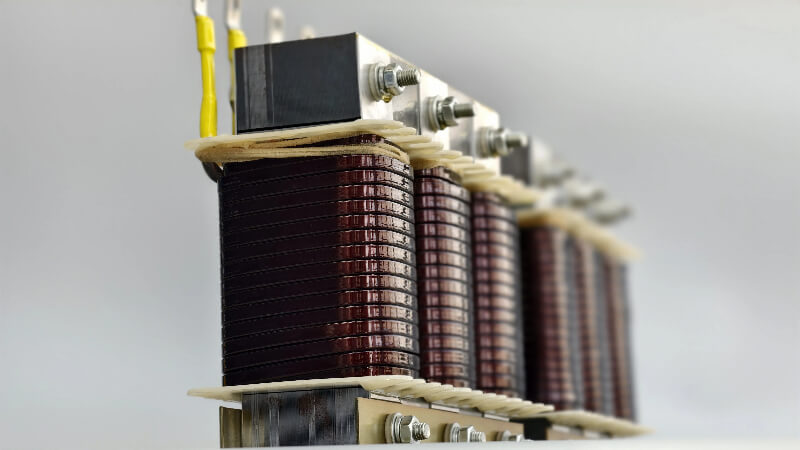
The core function of the transformer is to realize the rise and fall of the voltage conversion, and its internal winding coil, which is made of magnet wire winding. magnet wire insulation, conductivity, directly affect the transformer voltage conversion efficiency and operational stability.
Whether it is a high-voltage transformer in the power grid, or industrial control panels, new energy inverters in small transformers, need to choose the right type of wire according to the conditions, to ensure the stable transmission of electricity.
3 Electromagnetic equipment field
Relays, solenoid valves, solenoids and other electromagnetic equipment, relying on magnet wire wound coil to produce a magnetic field, to realize the conversion of electrical energy to mechanical energy, widely used in industrial automation, mechanical equipment control, security systems and other fields.
This type of equipment on the flexibility of the magnet wire, response speed requirements are high, the choice of suitable magnet wire, can ensure the sensitivity and stability of the equipment, to achieve accurate control and fast response.
4 Welding equipment field
Welding equipment in the welding transformer, induction coil, are used in magnet wire winding and become, its role is to control the welding current, to ensure the stability of the welding process and welding quality.
Welding equipment, mostly in rugged environment, therefore the need to choose a durable, heat-resistant, oil-resistant wire, can withstand high current loads, to avoid the impact of insulation failure welding effect.
5 New energy field
With the rapid development of the new energy industry, the magnet wire in the wind power, solar power, new energy vehicles and other fields of application is becoming more and more widespread. Wind turbine coils, solar inverter windings, drive motors of new energy vehicles, are inseparable from high-quality wire.
The new energy field has higher requirements for the wire, need to have high conductivity, high heat resistance, lightweight and other characteristics, not only to enhance the energy conversion efficiency, but also to adapt to the complex working environment of the new energy equipment, to help achieve the goal of “double carbon”.
With the continued development of new energy, industrial automation, precision electronics and other fields, the market demand for magnet wire will continue to grow, the requirements for product performance will also continue to improve. In the future, the magnet wire will be more heat-resistant, more conductive, more lightweight, more environmentally friendly direction, to further expand the application boundary.
If you need to select, purchase or customize the magnet wire according to the working conditions of the equipment, can be combined with the basic knowledge introduced in this article, accurate matching needs, you can also consult our professional manufacturers to obtain personalized solutions to ensure the performance and service life of the equipment, and at the same time to achieve cost optimization, and to dominate in the fierce competition in the market.